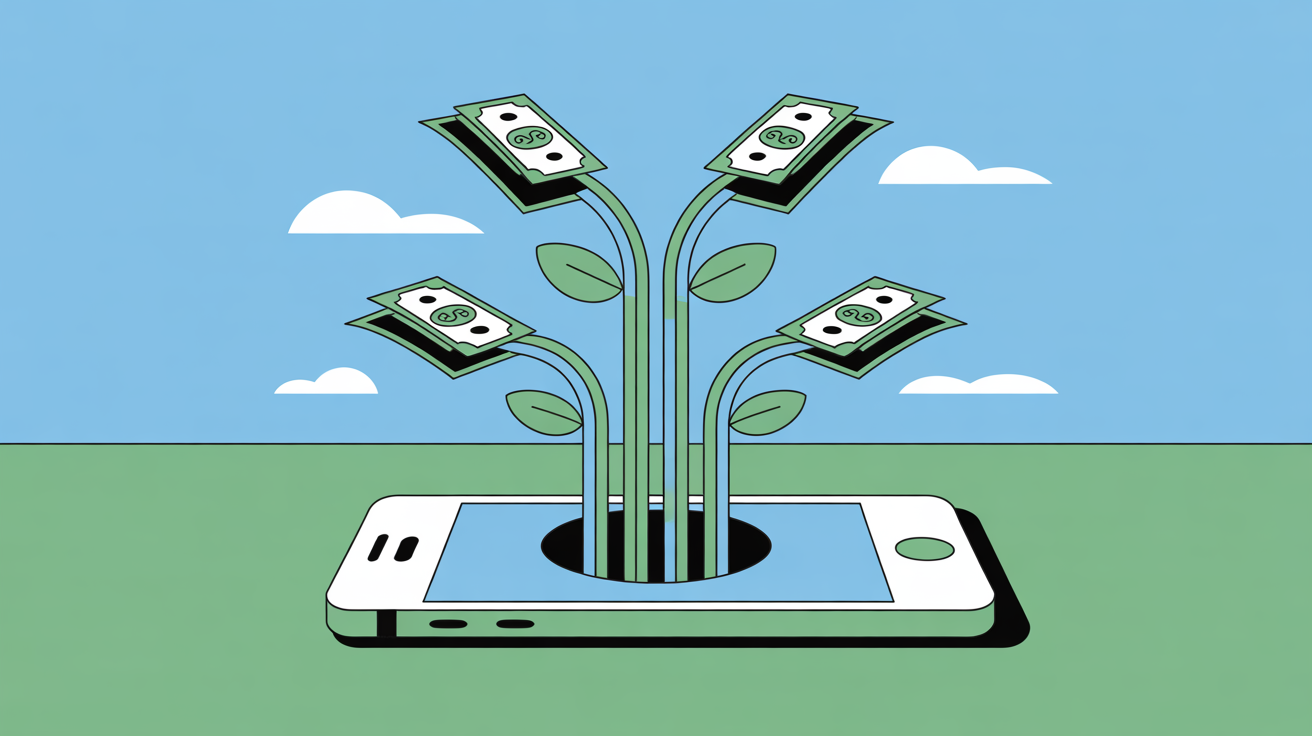
The dream of making money while you sleep is one of the most powerful motivators in personal finance. It represents a path to financial freedom, giving you the time and flexibility to pursue your passions, spend time with family, or simply worry less about bills. It’s about creating systems that work for you, even when you’re not actively working.
But let’s be clear: passive income isn’t magic. It’s not about getting rich quick with zero effort. Instead, it’s about an upfront investment of either time or money. Once that initial work is done, these income streams can continue to generate revenue with minimal ongoing maintenance, truly putting your assets to work.
Understanding the “Passive” in Passive Income
Before diving into specific ideas, it’s crucial to grasp the two fundamental types of passive income. Most strategies fall into one of these categories, and understanding them will help you choose the path that best suits your current situation, skills, and resources.
- Investing Money: This is the more traditional route. You use your existing capital to buy assets that generate income. This could be anything from stocks that pay dividends to properties that collect rent. The heavy lifting is done by your money.
- Investing Time: This route involves creating something of value that can be sold or monetized over and over again. You front-load the work by creating a digital product, building an audience, or developing a system that generates revenue automatically.
Many people find success by combining both approaches, using the income from a time-invested project to fuel their money-invested assets. The key is to start with what you have.
Income Streams Built on Capital Investment
If you have some capital saved up, you can put it to work to generate more money. These methods are often the most “hands-off” once they are set up, but they do carry inherent market risks.
Dividend-Paying Stocks and ETFs
When you own a dividend stock, you own a small piece of a company that shares its profits with shareholders. These payments, typically made quarterly, can create a steady stream of income. For those who find picking individual stocks daunting, Dividend ETFs (Exchange-Traded Funds) offer a diversified basket of dividend-paying companies, spreading your risk.
Pros: Highly passive, potential for capital appreciation, and highly liquid.
Cons: Requires capital, subject to market volatility, and dividends are not guaranteed.
Real Estate Crowdfunding
Traditionally, real estate investing required significant capital for a down payment. Today, crowdfunding platforms allow you to pool your money with other investors to buy shares in large-scale commercial or residential properties. You get the benefits of real estate ownership—like appreciation and income from rent—without the headaches of being a landlord.
Pros: Low barrier to entry, diversification across multiple properties, professionally managed.
Cons: Your investment is illiquid (hard to sell quickly), and platform fees can eat into returns.
High-Yield Savings Accounts & CDs
For those who are risk-averse, high-yield savings accounts (HYSAs) and certificates of deposit (CDs) offer a secure way to earn interest on your cash. While the returns won’t make you a millionaire overnight, they are significantly better than what traditional savings accounts offer. It’s a foundational step in making your money work for you instead of sitting idle.
Pros: Extremely low risk (often FDIC insured), simple and easy to set up.
Cons: Returns may not keep pace with inflation, and CDs lock up your money for a set term.
Income Streams Built on Time and Creativity
If you have more time than money, these ideas allow you to build an income-generating asset from scratch. This path requires creativity, skill, and persistence.
Create and Sell Digital Products
A digital product is an asset you create once and can sell infinitely with no inventory. Think of eBooks, online courses, printable planners, website themes, or stock photography. You leverage your expertise in a specific area to create a valuable resource for others. Platforms like Etsy, Teachable, and Gumroad make selling these products easier than ever.
Here’s a quick comparison of popular digital product types:
| Digital Product | Upfront Effort | Potential Passivity | Required Skill |
|---|---|---|---|
| eBook | Medium | High | Writing/Expertise |
| Online Course | High | High | Teaching/Video |
| Printables/Templates | Low-Medium | Very High | Design |
| Stock Photos/Videos | Medium | High | Photography |
Affiliate Marketing via a Niche Blog or YouTube Channel
Affiliate marketing is the process of earning a commission by promoting other people’s or company’s products. You can do this by starting a blog or YouTube channel focused on a specific niche you’re passionate about—like hiking gear, coffee brewing, or software tutorials. By creating valuable content, you attract an audience and can then recommend products you genuinely use and trust. When someone makes a purchase through your unique affiliate link, you earn a percentage of the sale.
Self-Publish a Book on Amazon
If you’ve always dreamed of writing a book, now is the time. With platforms like Amazon Kindle Direct Publishing (KDP), you can publish both eBooks and paperback books with no upfront cost. You write the book, create a cover, and upload it. Amazon handles the printing, shipping, and customer service. You earn a royalty on every sale. This can apply to fiction novels, non-fiction guides, children’s books, or even low-content books like journals and logbooks.
Launch a Print-on-Demand Store
Love designing but hate the idea of managing inventory? Print-on-demand (POD) is the perfect solution. You create designs for t-shirts, mugs, posters, and other merchandise and upload them to a platform like Merch by Amazon or Printful. When a customer orders a product, the POD service prints your design on it, ships it to the customer, and sends you the profit. You focus solely on the creative part. This is a great way to start an e-commerce brand with very little risk or investment, leveraging the power of passive income strategies.
Choosing Your Path and Taking Action
The sheer number of options can feel overwhelming, but the most important step is simply to start. Don’t try to do everything at once. Pick one idea that genuinely excites you and aligns with your current resources.
- Assess Your Strengths: Do you have capital to invest, a creative skill to share, or expertise in a specific niche? Be honest about what you bring to the table.
- Pick One Idea: Focus your energy on a single project. If you’re building a blog, dedicate your time to writing great content. If you’re investing, research one platform like Fundrise thoroughly.
- Set a Realistic Goal: Your first goal isn’t to make $10,000 a month. It’s to make your first $1. Publish one blog post. Create one t-shirt design. Buy one dividend stock. Small wins build momentum.
- Be Patient and Consistent: Passive income streams are not built overnight. It takes time to build an audience, for an investment to mature, or for a product to gain traction. Consistency is far more important than intensity.
Building extra income streams is one of the most effective ways to improve your financial health and reduce stress. By investing time or money today, you are creating a system that can support you long into the future. The work you do now can pay dividends—both literally and figuratively—for years to come.