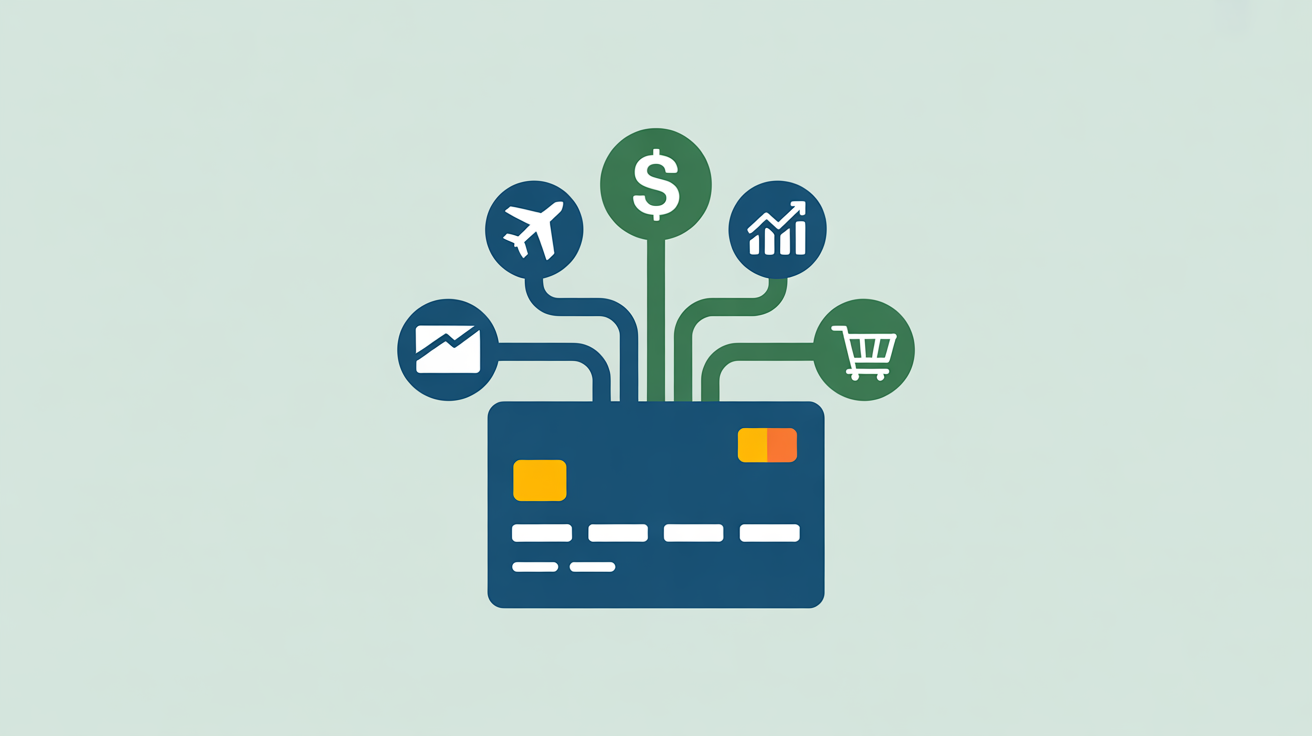
Let’s be honest, who doesn’t love getting a little something back for their everyday spending? It feels like a small victory every time you buy groceries, fill up your gas tank, or pay a bill. This is the simple yet powerful appeal of cash back credit cards: they turn your routine expenses into tangible rewards.
Choosing the right card, however, can feel overwhelming with all the options available. From flat-rate rewards to complex rotating categories, finding the perfect fit for your wallet is key. This guide will break down everything you need to know to select the best card and start earning money on your purchases today.
Understanding How Cash Back Credit Cards Work
At its core, a cash back credit card is a straightforward financial tool. When you make a purchase using the card, the issuer gives you back a small percentage of that transaction amount. This “cash back” isn’t free money; it’s an incentive funded by the transaction fees that merchants pay to accept credit cards. For the consumer, it’s a simple rebate on spending you were going to do anyway.
These rewards can typically be redeemed in several ways, including as a statement credit to lower your bill, a direct deposit into your bank account, or even a physical check. The goal is to find a card whose reward structure aligns perfectly with your spending patterns.
The Different Flavors of Cash Back Cards
Not all cash back cards are created equal. They generally fall into one of three main categories, each catering to a different type of consumer.
- Flat-Rate Cards: These are the epitome of simplicity. You earn the same percentage of cash back—typically between 1.5% and 2%—on every single purchase, with no exceptions. There are no categories to track or sign-ups to remember. This is the perfect “set it and forget it” option for people who value convenience above all else.
- Tiered-Rate (or Bonus Category) Cards: These cards offer higher cash back rates in specific, permanent spending categories, such as groceries, dining, or gas. All other purchases outside of these bonus categories earn a standard base rate, usually 1%. This type of card is ideal if a significant portion of your budget is dedicated to a few key areas.
- Rotating-Category Cards: For those who enjoy a more hands-on approach, rotating-category cards offer the highest reward rates, often 5%, in specific categories that change every three months (or “quarter”). These categories might include Amazon.com, grocery stores, or gas stations. The catch is that you usually have to “activate” or enroll in the new categories each quarter, and there’s often a cap on how much you can earn at the higher rate.
A Look at Top-Tier Cash Back Card Profiles
While specific card offers change, the archetypes of great cash back cards remain consistent. Understanding these profiles helps you identify which type of card will serve you best. Below is a comparison of the most common high-performing card types.
| Card Type | Best For | Typical Reward Structure | Key Consideration |
|---|---|---|---|
| The Simple Flat-Rate Earner | Effortless, everyday rewards | 2% cash back on all purchases | No need to track spending categories. |
| The Grocery & Gas Guru | Families and commuters | 3-6% on groceries, 2-4% on gas, 1% on everything else | Aligns with major household budget items. |
| The Strategic Maximizer | Engaged, hands-on users | 5% on rotating categories (quarterly activation) | Requires effort to activate and track categories. |
| The Dining & Entertainment Pro | Social spenders and foodies | 3-4% on dining, streaming services, and entertainment | Great for those who frequently eat out or enjoy nightlife. |
How to Choose the Right Cash Back Card for You
The “best” card is entirely personal. What works for a frequent traveler might not work for a homebody who spends mostly on groceries. To find your perfect match, you need to do a little self-reflection on your financial habits.
Analyze Your Spending Habits
This is the most critical step. Take an hour to look through your last three to six months of bank and credit card statements. Tally up your spending into broad categories: groceries, gas, dining out, travel, online shopping, and miscellaneous. Where does the bulk of your money go? The answer will point you directly to the type of card that will give you the most back. If your spending is spread evenly, a flat-rate card is a winner. If you see a huge chunk going to the supermarket, a tiered card focused on groceries is your best bet.
Consider the Annual Fee
Many fantastic cash back cards come with no annual fee. For most people, this is the way to go, as it ensures your rewards are pure profit. However, some premium cards with an annual fee offer significantly higher reward rates or valuable perks (like travel credits or insurance) that can easily offset the cost. Do the math: if a $95 annual fee card will earn you $300 more in rewards per year than a no-fee card, it’s a worthwhile investment. There are many great options with no annual fee to get you started.
Don’t Forget Welcome Bonuses
Credit card issuers often roll out the red carpet for new customers with lucrative sign-up bonuses. These typically require you to spend a certain amount of money within the first few months of opening the account (e.g., “spend $1,000 in the first 3 months to earn a $200 bonus”). This can be a huge injection of value right from the start. Just be sure the spending requirement is something you can meet comfortably with your normal budget.
Strategies to Boost Your Cash Back Earnings
Once you have your card, a few simple strategies can help you maximize the rewards you bring in. The goal is to make your card work smarter, not harder.
The “Two-Card” System
A popular strategy for maximizers is to pair two different types of cards. For example, you could use a rotating-category card for its 5% bonus categories and a flat-rate 2% card for all other purchases. This ensures you’re always earning more than the standard 1% base rate, no matter what you’re buying. This simple combination can significantly increase your annual earnings.
Always Pay Your Balance in Full
This is the golden rule of rewards credit cards. Cash back rewards are typically between 1% and 5%, while credit card interest rates (APRs) are often 20% or higher. If you carry a balance from month to month, the interest charges will quickly erase the value of any rewards you’ve earned. To truly benefit, treat your credit card like a debit card and only charge what you can afford to pay off completely.
Use Your Card for (Almost) Everything
To accumulate rewards quickly, funnel as many of your regular expenses through your cash back card as possible. This includes monthly bills like your cell phone, internet, streaming services, and even insurance premiums. As long as you stick to the golden rule of paying the balance in full, this strategy will turn your fixed costs into a steady stream of rewards.
Frequently Asked Questions
Is the cash back I earn considered taxable income?
In most cases, no. The IRS generally views cash back from credit cards as a rebate or a discount on your purchases, not as taxable income. The exception might be for some sign-up bonuses that are awarded without a spending requirement, but this is rare.
What credit score do I need for a good cash back card?
The top-tier cash back cards typically require a good to excellent credit score (usually 690 or above on the FICO scale). However, there are solid options available for those with fair credit, and secured cards can be a great tool for those looking to build or rebuild their credit history. You can find many cards for building credit that still offer rewards.
How do I actually get my cash back?
Redemption methods vary by card issuer but are generally very flexible. The most common options include:
- Statement Credit: Reduces your card’s outstanding balance.
- Direct Deposit: The money is transferred directly into your linked checking or savings account.
- Physical Check: The issuer mails you a check.
- Gift Cards: Sometimes you can get a better value by redeeming your rewards for gift cards.
Ultimately, the journey to finding the best cash back credit card is about aligning a product’s benefits with your unique financial life. By analyzing your spending, understanding the different types of cards, and following smart usage strategies, you can transform your everyday expenses into a rewarding experience. It’s time to find a card that pays you back for the life you’re already living and discover just how valuable your spending can be. The process of how to choose a credit card is a crucial financial decision, and with the right information, you can make a choice that benefits you for years to come.